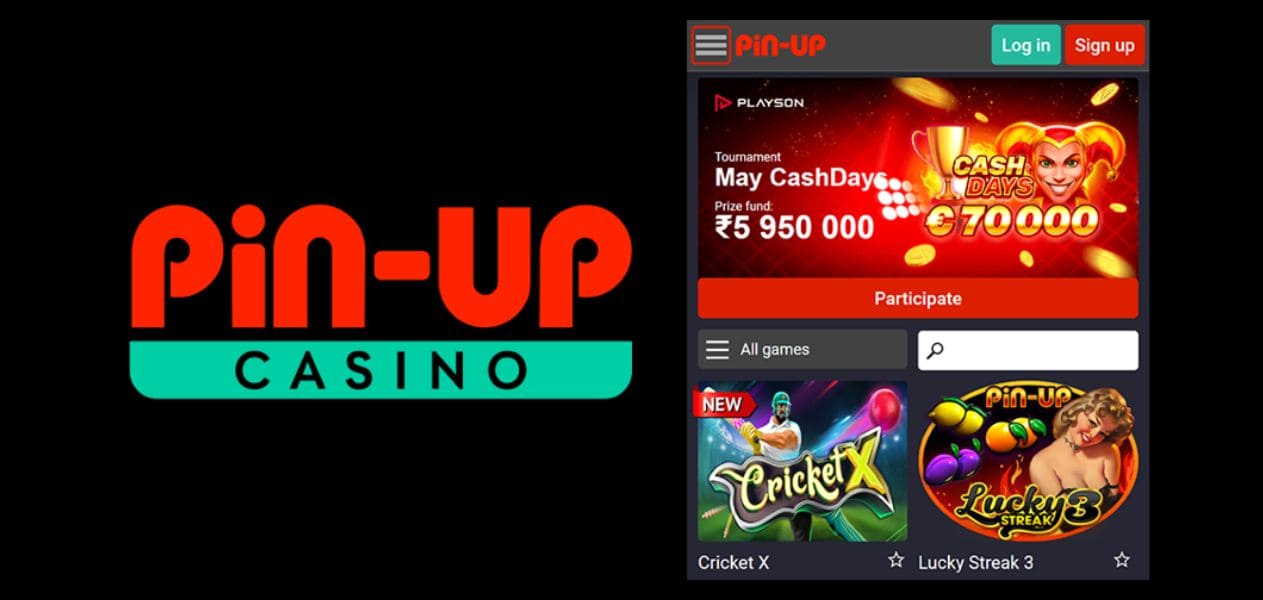
Pin-Up Azerbaijan onlayn oyun sektorunda tanınmış platformalardan biri kimi formalaşıb və 2025-ci ildə təqdim etdiyi yenilənmiş imkanlarla daha geniş auditoriyanın diqqətini çəkir. Azərbaycan oyunçuları üçün PinUp həm əlçatanlıq, həm funksionallıq, həm də zövqlü oyun mühiti təqdim edən çevik ekosistemdir. Platforma müxtəlif oyun kateqoriyalarını birləşdirərək həm yeni istifadəçilərə, həm də təcrübəli oyunçulara uyğun təcrübə yaradır.
Pin Up sadə naviqasiyası, optimallaşdırılmış menyu sistemi, təhlükəsiz ödəniş mexanizmləri, geniş oyun kataloqu və mobil cihazlarla yüksək uyğunluğu ilə seçilir. Platforma həm masaüstü versiyada, həm də mobil cihazlarda stabil və yüksək performans nümayiş etdirir.
Pin-Up oyun seçimi — müxtəlif zövqlərə uyğun geniş kataloq
Pinup oyun ekosistemi müxtəlif kateqoriyalardan ibarətdir və hər oyunçunun öz oyun stilinə uyğun seçim etməsinə imkan yaradır. Oyun kataloqunun müxtəlifliyi platformanın əsas güclü cəhətlərindən biridir.
Slot oyunları geniş tematik spektrə malikdir: klassik meyvə oyunlarından tutmuş macəra mövzulu slotlara, 3D qrafikalı video-slotlardan çarpanlı və xüsusi mexanikalı oyunlara qədər fərqli seçimlər mövcuddur. Pin-Up slotları yüksək RTP, bonus raundları və dinamik gameplay ilə seçilir.
Canlı kazino real dilerlərlə interaktiv oyun təcrübəsi yaradır. Rulet, blackjack, baccarat, poker və şou formatlı canlı oyunlar Pin Up istifadəçiləri arasında xüsusilə populyardır.
Sürətli oyunlar qısa raundlarla oynanan, ani nəticələri olan və mobil istifadəçilər üçün ideal kateqoriyadır.
Stolüstü oyunlar strategiya yönümlü oyun təcrübəsi istəyənlər üçün klassik kart və masa formatları təklif edir.
Pin-Up oyun kateqoriyalarının ümumi xarakteristikası
| Kateqoriya | Xüsusiyyətlər | Kimi cəlb edir |
| Slotlar | Həyəcanlı bonuslar, müxtəlif mövzular, yüksək RTP | Yeni və təcrübəli oyunçular |
| Canlı kazino | Real diler, canlı yayımlar | Interaktivliyi sevən istifadəçilər |
| Sürətli oyunlar | Tez nəticə, sadə qaydalar | Mobil oyunçular |
| Stolüstü oyunlar | Strategiya əsaslı, klassik format | Analitik oyunsevərlər |
| Şou oyunları | Dinamik, əyləncəli formatlar | Yeni təcrübə axtaranlar |
PinUp ödəniş sistemi — təhlükəsiz və rahat əməliyyatlar
Pinup Azerbaijan ödəniş prosesi baxımından geniş seçim və maksimum təhlükəsizlik təqdim edir. İstifadəçilər balans artırmaq və vəsait çıxarmaq üçün müxtəlif üsullardan yararlana bilər:
- Bank kartları
- Elektron cüzdanlar
- Mobil ödənişlər
- Kriptovalyutalar
Pin Up Casino tranzaksiyaların təhlükəsizliyini təmin etmək üçün SSL şifrələmə, server qoruma və real vaxt monitorinq sistemlərindən istifadə edir. Əməliyyatların işlənmə müddəti seçilən metoda görə dəyişir.
Pin Up ödəniş üsulları və emal vaxtları
| Ödəniş üsulu | Balans artırma | Pul çıxarma | Üstün cəhətlər |
| Bank kartı | Dərhal | 12–24 saat | Standard, etibarlı |
| Elektron cüzdan | 1–5 saniyə | 15–60 dəqiqə | Çox sürətli |
| Mobil ödəniş | Dərhal | 2–8 saat | Mobil rahatlıq |
| Kriptovalyuta | Anında | 5–30 dəqiqə | Sürətli və anonim |
Pin-Up mobil versiyası — hərəkətdə olan oyunçular üçün ideal seçim
Mobil oyun dövründə PinUp Azerbaijan mobil uyğunluğu əhəmiyyətli dərəcədə yaxşılaşdırıb. Mobil versiya ekran ölçüsünə uyğunlaşdırılmış naviqasiya, sürətli yüklənmə, optimallaşdırılmış qrafika və rahat ödəniş funksiyaları ilə tam funksional oyun mühiti yaradır.
Mobil versiyanın üstünlükləri:
- Aşağı internet xərci
- Yüksək performans
- Canlı kazino və slotların problemsiz işləməsi
- Toxunma ekranı üçün uyğun idarəetmə
- Mobil ödəmələrin sürətli işləməsi
Təhlükəsizlik və oyunçuların məlumatlarının qorunması
Pin-Up Azerbaijan təhlükəsizlik sistemlərinə xüsusi diqqət yetirir. İstifadəçi məlumatlarının qorunması üçün çoxsəviyyəli təhlükəsizlik mexanizmləri tətbiq olunur:
- SSL şifrələmə məlumatların təhlükəsiz ötürülməsini təmin edir
- İki mərhələli doğrulama hesab müdafiəsini gücləndirir
- Real vaxt monitorinqi şübhəli fəaliyyəti aşkarlayır
- Hesab aktivlik analizi təhlükəsizliyi artırır
Platforma oyunların ədalətli işləməsi üçün RNG sistemi və lisenziyalı oyun provayderlərindən istifadə edir.
Nəticə
Pin-Up Azerbaijan 2025-ci ildə həm funksional, həm də texnoloji cəhətdən inkişaf etmiş oyun platforması kimi fərqlənir. Geniş oyun seçimi, rahat ödəniş metodları, yüksək təhlükəsizlik, mobil uyumluluq və istifadəçi yönümlü interfeys PinUp-u Azərbaycan bazarında ən stabil və populyar platformalardan birinə çevirir.